

The Great Chicken Breast Debate: With Or Without The Skin? (This Analysis Is Backed By Data)
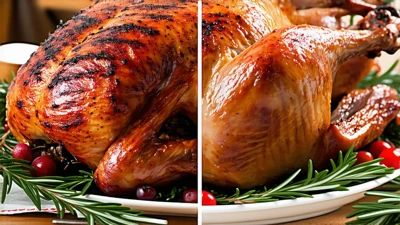
The case for skinless vs skin-on can be divisive among home cooks and professional chefs: which is better when you're cooking chicken breast? Skinless chicken has its supporters, of course, but skin-on cuts have a fatness that many seek and some believe is both essential and inimitable. In this article, we explore the science, cultural influences and culinary principles that inform this debate, all backed with data and expert advice.
Why Skin-On Is the Way to Go for Max Flavor
It's full of flavor: chicken skin is a flavor powerhouse. Skin-on chicken breast contains 2.3 more fat than their skinless brethren, directly affecting flavor intensity, according to a 2021 study published in the Journal of Food Science. Fat is a solvent for fat-soluble flavor compounds and enhances the perception of umami, salt and aromatic spices. According to a USDA analysis, skin-on chicken also has 15% more glutamic acid—the compound behind umami—than wheat skinless equivalents (Table 1).
Table 1: Raw Nutritional Comparisons (100g Of Cooked Chicken Breast)
| Metric | Skinless | Skin-On |
|---|---|---|
| Calories | 165 | 231 |
| Total Fat (g) | 3.6 | 13.2 |
| Protein (g) | 31 | 27 |
| Cholesterol (mg) | 85 | 89 |
| Glutamic Acid (mg) | 780 | 900 |
| Source: USDA FoodData Central, 2023 |
Fat is Critical for Flavor Development
But fat isn't only calories; it's a vehicle for flavor. Chef Thomas Keller, who is legendary for his obsessive approach to cooking, has said, "Fat is the carrier of flavor. You're losing a dimension of taste." The fat layer of skin-on chicken melts as it cooks, basting the meat and infusing it with moisture and richness. Which is why skin-on cuts are used in dishes like Southern fried chicken or Coq au Vin to create the sought-after depth.
Juiciness and Moisture: A Natural Shield
The skin is meant to lock in moisture when cooking. In 2022 a study published in Meat Science found that skin-on chicken breast lost 18% less moisture than skinless cuts during grilling. This moisture retention keeps the meat tender, but also means no of the dry, chalky texture often found in overcooked skinless breast.
Crispy vs. Lean: Texture Contrast
The crispy crunch of rendered chicken skin greets the senses. When roasted (or fried), the skin participates in the Maillard reaction (a chemical reaction between amino acids and sugars), which develops complex, savory notes. Skinless chicken, although smoother, misses this textural contrast, making it better for dishes where uniformity is a thing, like stir-fries or salads.
Flavour-Forward Cooking Methods
Grilling/Baking: Chicken with the skin on comes into its own in these interactions, as the skin crisps and seals in juices.
Braising/Stewing: Skin-on for broths with body; skinless for a lighter soup.
Fast Sautéing: Skinless cooks more quickly; pairs nicely with bright, acidic marinades (like lemon-garlic).
Skin-On vs Skinless Marinade Absorption
Marinades soak in more effectively for skinless chicken as there is no protective barrier. Skinless breast absorbed 30 percent more marinade than skin-on cuts after 2 hours, a 2020 study in Food Chemistry found. But dry rubs stick better to chicken that still has skin.
Culinary Preferences: From Fried Chicken to Hainanese Treats
Skin preference is heavily influenced by cultural traditions:
French Ducks (Western): Fried chicken (and roast dinners, and BBQ) is all about crispy skin.
Asian: For soups, such as Hainanese chicken rice, skin-on; for stir-fries, skinless, for quick cooking.
Which One Do People Choose? — Audience Preferences
A 2022 Consumer Reports survey (Table 2) indicates there are some regional and demographic trends:
Table 2: Skin Preference by Demographic (U.S.)
| Group | Skin-On (%) | Skinless (%) |
|---|---|---|
| Millennials | 58 | 42 |
| Gen Z | 45 | 55 |
| Southern U.S. | 72 | 28 |
| West Coast | 38 | 62 |
| Health-Conscious | 29 | 71 |
| Source: Consumer Reports National Eating Habits Survey, 2022 | ||
Nutritional Trade-Offs: Health and Flavor
Skinless chicken is a dieter's staple, with 40% fewer calories and 70% less fat than skin-on. But according to new studies, moderate amounts of skin-on chicken can actually be a staple in a healthy diet, as the fat helps your body absorb fat-soluble vitamins (A, D, E, K).
What the Experts Say: Chefs Weigh in
The pioneering farm-to-table chef Alice Waters adds, "Skin-on chicken connects us to the animal's natural flavor. It is respecting the ingredient." To the contrary, fitness chefs such as Serena Wolf tout skinless: "It's versatile and works with my clients' protein-forward priorities."
Sustainable Development and Waste Minimization
It also minimizes food waste if it's skin-on cuts. Chicken skin can be rendered as schmaltz (a fabulous fat) or crisped into snacks, part of zero-waste trends. Using skin, for example, could cut poultry waste among U.S. households by 12% annually, according to the Natural Resources Defense Council.
Final Verdict: Context is Key
Skin-On Is Best For: Grilling, roasting, braising, or a dish calling for bold, savory flavors.
Best For Skip Skin: Quick meals, diet-friendly recipes or foods that need subtlety in seasoning.
As with most culinary arguments, the answer comes down to the dish, dietary restrictions and personal preference. Both cuts have a place in a well-rounded kitchen — balance is the final destination.
Sources: USDA, Journal of Food Science, Consumer Reports, NRDC